
Efficiency & Growth: Streamlining Business Operations
Discover strategies for streamlining business operations and driving growth. Learn about lean principles, automation, project management, employee training, and collaboration with strategic partners.

In today's competitive business landscape, efficient and streamlined operations are essential for success. For entrepreneurs and aspiring business owners, understanding the significance of efficient business operations is vital for success. This article offers valuable insights and strategies to optimize operations and establish a solid foundation for a thriving business.
Defining Business Operations
Before delving into strategies and techniques, it is crucial to have a solid understanding of what business operations encompass. Business operations refer to the activities, processes, and systems involved in running a business efficiently. These operations can include areas such as inventory management, supply chain operations, customer service, human resources, finance, and more. By effectively managing these areas, entrepreneurs can enhance productivity, reduce costs, improve customer satisfaction, and drive growth.
So, what exactly are business operations?

In simple terms, they encompass all the activities required to keep a business running smoothly and efficiently. Some businesses, such as manufacturing goods or providing services, manage their own supply chains, market their products, and even handle customer support. Everything that contributes to the core functions of the organization is part of its business operations.
Identifying Operational Inefficiencies
To improve business operations, it is essential to identify inefficiencies that may hinder progress. Conduct a thorough analysis of existing processes and systems to pinpoint areas of improvement. This may involve examining bottlenecks, identifying repetitive tasks, evaluating technology infrastructure, and seeking employee feedback. Entrepreneurs can develop a clear picture of the current state of their operations and identify areas for potential enhancement by gathering comprehensive data.
Operational inefficiencies can have a significant impact on a business's bottom line. They can result in wasted resources, increased costs, and decreased productivity. However, identifying these inefficiencies can be a challenging task for business owners and managers.
Obvious Signs of Operational Inefficiencies
✔ When tasks take longer to complete than originally estimated.
This may be due to a lack of efficient processes or inadequate training of employees. Businesses can identify areas where improvements can be made by keeping track of the time it takes to complete tasks and comparing it to the estimated time.
✔ Excessive waste or rework.
Constant mistakes and errors in a business may indicate flaws in operational processes. Implementing quality control measures and conducting regular audits can help identify these inefficiencies and prevent further waste.
✔ High employee turnover can be a sign of operational inefficiencies.
Identifying operational inefficiencies is crucial for any business looking to improve efficiency and reduce costs. This not only leads to cost savings but also enhances productivity and customer satisfaction.
Implementing Lean Principles
One highly effective methodology for streamlining business operations is Lean. Lean principles focus on eliminating waste and maximizing value for customers. Key concepts include identifying and eliminating non-value-added activities, standardizing processes, promoting continuous improvement, and empowering employees at all levels to contribute to operational excellence. By adopting Lean principles, entrepreneurs can improve efficiency, reduce costs, and enhance quality.
The foundation of Lean principles lies in the continuous pursuit of perfection through the reduction of waste. Waste, in this context, refers to anything that does not add value to the end product or service. Lean organizations strive to minimize seven types of waste, including overproduction, waiting time, unnecessary transportation, excess inventory, excessive processing, excessive motion, and defects.
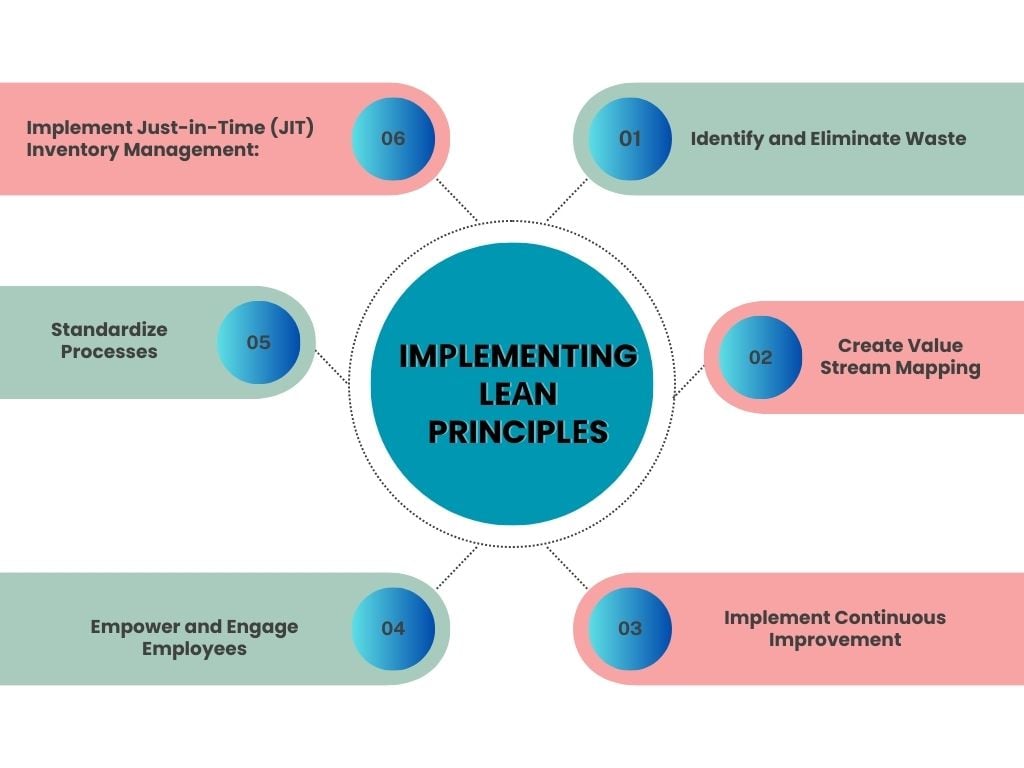
✦ Identify and Eliminate Waste: This first step in implementing Lean principles is to identify all types of waste, such as overproduction and excess inventory. Then, you can work on eliminating or reducing that waste.
✦ Create Value Stream Mapping: Value Stream Mapping is a visual representation of the steps involved in creating a product or service, from the beginning to the end. By mapping out the value stream, you can identify bottlenecks, redundancies, and areas where waste occurs. This allows you to streamline the process and increase efficiency.
✦ Implement Continuous Improvement: Lean is a continuous improvement philosophy, and it is essential to create a culture of continuous improvement in your business operations. Encourage employees to identify and address problems or inefficiencies in their work processes and provide them with the tools and training needed to implement changes. Regularly review and evaluate the effectiveness of the implemented changes to ensure continuous improvement.
✦ Empower and Engage Employees: Businesses must empower and engage employees in the Lean process by providing training and resources and identifying them as part of the improvement team. Encourage open communication and collaboration to gather ideas for improvement from the business employees.
✦ Standardize Processes: Standardizing processes is crucial to achieving consistency and reducing variation in work methods. Documenting the best practices and creating standard operating procedures (SOPs) ensure that everyone follows the same effective and efficient methods. Standardization also helps in increasing productivity, quality, and reducing errors and defects.
✦ Implement Just-in-Time (JIT) Inventory Management: JIT inventory management aims to reduce inventory levels by only producing or ordering goods when needed. This helps in reducing costs associated with excess inventory, storage, and obsolescence. By implementing JIT, you can also improve production flow, reduce lead times, and respond faster to customer demands.
Overall, Lean principles focus on enhancing efficiency, eliminating waste, and continuously improving processes. By implementing these top six principles, you can transform your business operations and achieve substantial improvements in productivity, cost savings, and customer satisfaction.
To ensure the sustainability and effectiveness of Lean principles, organizations must invest in proper training and education. Lean is not just a one-time implementation; it requires ongoing learning and development to maintain a Lean culture. Employees should be trained on Lean tools and methodologies to ensure consistent application across the organization.
Automating Processes in Business Operations
In today's fast-paced business landscape, entrepreneurs are constantly seeking ways to enhance productivity and streamline operations. One crucial thing to achieve this is through the automation of processes, which can offer numerous benefits such as increased efficiency, reduced costs, and improved customer satisfaction. Automating business operations is necessary for entrepreneurs to optimize their processes and operate more efficiently.
◼️ Enhancing Efficiency
Automation plays a pivotal role in improving the efficiency of business operations. By automating repetitive and time-consuming tasks, entrepreneurs can free up their workforce to focus on more complex and value-added activities. From inventory management and invoicing to customer service and marketing campaigns, businesses can expedite processes and minimize delays, ultimately enhancing productivity and overall performance.
◼️ Reducing Costs
Implementing automation in business operations can significantly reduce costs in the long run. By replacing manual labor with automated software and systems, entrepreneurs can minimize human error, eliminate the need for additional workforce, and cut down on training expenses. Moreover, automated processes allow for centralized data management and real-time analytics, enabling informed decision-making and cost optimizations. This ultimately enhances profitability and helps businesses stay competitive.

◼️ Improving Customer Satisfaction
Satisfied customers are the lifeblood of any successful business. Automating business operations can help provide a seamless and consistent customer experience. By utilizing automated customer relationship management (CRM) systems, businesses can track interactions, personalize responses, and proactively resolve issues, resulting in improved customer satisfaction. Additionally, automated order processing and quick response times contribute to faster delivery and enhanced customer service, fostering loyalty and positive brand reputation.
◼️ Optimizing Resource Allocation
Automation enables entrepreneurs to optimize resource allocation within their business. By leveraging data-driven insights and predictive analytics, entrepreneurs can identify underutilized resources, anticipate demand fluctuations, and allocate manpower and resources accordingly. This helps eliminate waste, ensures an efficient allocation of capital, and avoids bottlenecks, ultimately maximizing the return on investment.
◼️ Embracing Competitive Advantage
In today's digital age, businesses must adapt or risk being left behind. Automating processes is no longer a luxury but a necessity for growth and sustainable success. By embracing automation, businesses can not only increase operational efficiency but also gain a competitive advantage in the market. The ability to expedite processes, enhance customer experience, and adapt to changing trends will set entrepreneurs apart from their competitors, enabling them to stay ahead of the curve.
Implementing Effective Project Management
Effective project management is crucial for the success of any organization. It involves planning, organizing, and coordinating various tasks and resources to achieve specific goals within a predetermined time frame. Without proper project management, a company may face delays, budget overruns, and a lack of clarity on project objectives.
Below are some of the top benefits and tips for implementing effective project management:
☑️ Increased Efficiency: By adopting project management methodologies, businesses can streamline their operations and increase efficiency. Breaking down large projects into smaller tasks allows teams to focus on specific objectives. This results in improved productivity and less chance of errors.
☑️ Setting Clear and Achievable Goals: Effective project management allows businesses to set clear and achievable goals. By defining project objectives and key results, teams can align their efforts towards a common vision. This provides clarity and direction to the team members, eliminating ambiguity and ensuring everyone is working towards the same outcome.
☑️ Resource Allocation: A crucial aspect of project management is allocating resources effectively. By identifying and allocating the right resources to each task or project, businesses can optimize their utilization and reduce wastage. the necessary tools, skills, and support to complete their tasks efficiently.
☑️ Collaboration and Communication: Project management methodologies emphasize collaboration and open communication within the team. Regular meetings, status updates, and feedback sessions help team members stay aligned, address any challenges, and keep everyone informed about project progress. This fosters a collaborative work environment, enhances problem-solving abilities, and promotes team cohesion.
☑️ Tracking and Monitoring Progress: Implementing effective project management techniques allows businesses to track and monitor project progress in real-time. This enables timely identification of any bottlenecks or issues that may impact project delivery. By using project management tools and visualizations, businesses can have a clear overview of project status, resource allocation, and any potential risks.
☑️ Adaptability and Flexibility: Agile and Scrum methodologies promote adaptability and flexibility in project management. As projects evolve, requirements may change, and new challenges may arise. By using iterative sprints and continuous feedback loops, teams can adapt to these changes swiftly and make necessary adjustments to keep the project on track.
☑️ Continuous Improvement: Effective project management encourages a culture of continuous improvement. By conducting post-project reviews and retrospectives, teams can analyze their performance, learn from mistakes, and identify areas for improvement. This approach fosters a culture of innovation and growth within the organization.
Collaborating with Strategic Partners
Strategic business partners can maximize efficiency, expand reach, and achieve greater success by enhancing your business performance.
Here are some simplified key points to consider when collaborating with strategic partners in your business operations:
🔹 Identify your objectives: Clearly define what you want to achieve through the strategic partnership. Whether it's accessing new markets, gaining a competitive edge, or improving operational efficiency, identifying your objectives is the foundation for success.
🔹 Seek complementary expertise: Look for partners whose strengths and expertise align with your business objectives. Find partners who bring unique capabilities that complement your own, allowing both organizations to thrive and create mutual value.
🔹 Establish a win-win partnership: Collaborate with partners who share similar values and goals. A successful strategic partnership is built upon mutual trust, open communication, and a shared vision for success. It's crucial to ensure that both parties' benefit from the collaboration.
🔹 Define clear roles and responsibilities: Clearly define the roles and responsibilities of each partner to avoid any confusion or overlap. This clarity will streamline decision-making processes and ensure that everyone is on the same page.
🔹 Foster open communication: Communication is crucial in any partnership. Establish regular channels of communication to share updates, address challenges, and celebrate successes together. Transparency and proactivity will help build a strong and productive relationship.
🔹 Nurture the partnership: Maintain an ongoing commitment to developing and strengthening the partnership. Regularly evaluate the progress, identify areas for improvement, and adapt the collaboration to evolving business needs.
By embracing the power of strategic partnerships, businesses can unlock new opportunities, enhance operational capabilities, and drive sustainable growth.
Embracing the journey of streamlining business operations offers immense potential for success. Fine-tuning processes, reducing waste, and embracing innovative solutions can enhance competitiveness and profitability.
Don't be afraid to challenge the status quo and seek opportunities for improvement. Let efficiency be the catalyst that propels your business toward new heights of success and growth!
Discover the Right Tools for Your Startup
Take our 2-minute quiz to find tools tailored to your specific needs and goals.
Take the QuizTakes only 2 minutes


