
Unlocking Growth: Build Your Customer Success Strategy
Explore the strategy for unlocking growth: Building your customer success! Get insights on effectively leveraging AI and automation for enhanced customer experiences.

Forget chasing metrics and endless sales pitches. The secret to explosive growth lies not in acquiring customers, but in making them your biggest fans. This guide will equip you with the blueprint for building an unshakeable customer success strategy, transforming transactions into relationships and propelling your business to new heights.
Why Customer Success Matters More Than Ever
Think about it: in today's hyper-competitive landscape, a single bad customer experience can go viral, damaging your reputation and eroding trust. But with a customer success strategy, you turn the tables. You shift your focus from simply acquiring customers to investing in their success. This translates to happier customers, higher retention rates, and a loyal community that fuels your growth.
The Benefits of Building Happy Customers:
🟦 Increased Customer Lifetime Value (CLTV)
Happy customers tend not only to remain loyal but also to spend more. Content customers are more inclined to expand their service portfolio and remain trusted brand ambassadors for a longer time. This results in a significant increase in the customer lifetime value, contributing to sustainable revenue generation.
- Social media analytics: Leverage platforms like Facebook Insights and Twitter Analytics to understand online behavior and preferences.
🟦 Enhanced Brand Reputation
In this digital age, word-of-mouth spreads faster than wildfire. Happy customers tend to share their positive experiences with others, which plays a crucial role in attracting new customers and boosting your brand image. This organic promotion not only elevates your reputation but also builds trust among potential customers.
🟦 Improved Product Development
Customer feedback is an invaluable resource for continuous improvement and innovation. Satisfied customers who feel valued are likely to offer valuable insights, guiding product improvements. This ensures your products and services resonate with your target audience and meet their evolving needs.
🟦 Competitive Advantage
In today's saturated market, customer satisfaction can be the key differentiator. Prioritizing customer success allows you to deliver a unique, personalized experience that sets you apart from your competitors. This fosters lasting loyalty, providing you with a competitive edge.
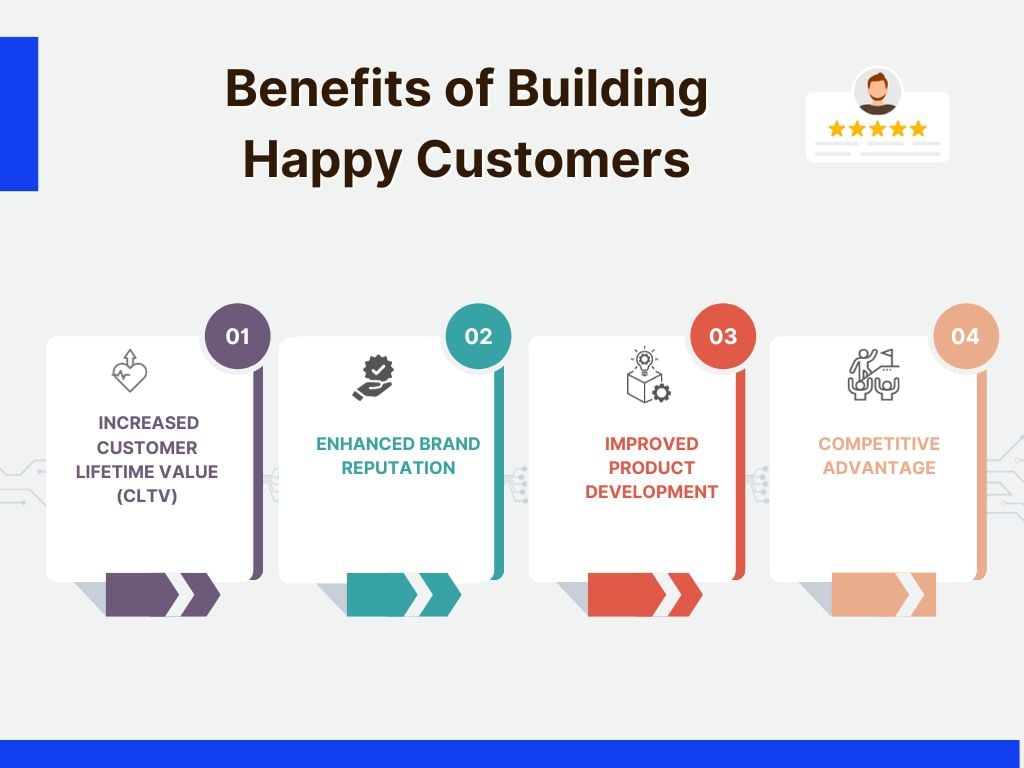
In essence, investing time, effort, and resources in creating happier customers is not just a morally positive act—it is a strategic business move with tangible benefits. So, focus on fostering happiness at the heart of your customer experience, and your business is bound to prosper!
Building Your Customer Success Arsenal: Key Components and Best Practices
Now, let's dive into the practical side of things. Here are the essential components of a winning customer success strategy, along with some actionable tips to get you started:
1. Know Your Customers Inside Out:
- Conduct in-depth customer research and analysis to understand their needs, pain points, and expectations.
- Create customer personas to personalize your approach and deliver targeted experiences.
- Encourage open communication through surveys, feedback forms, and direct interactions.
Real-life Example:
Airbnb's "Host Guarantee" program demonstrates a deep understanding of host concerns, building trust and encouraging repeat engagement.
2. Onboarding: A First Impression that Lasts:
- Create a seamless and personalized onboarding experience that guides customers through your product or service.
- Offer tutorials, Q&A sessions, and dedicated support channels to ensure smooth adoption.
- Proactive communication and personalized touchpoints set the stage for long-term success.
Real-life Example: Dropbox's "Get Started" guide and interactive tutorials make onboarding a breeze, fostering user confidence and early engagement.
3. Proactive Communication: Building Trust and Loyalty:
- Keep customers informed about updates, new features, and potential challenges.
- Offer personalized guidance and troubleshoot issues before they escalate.
- Respond to inquiries promptly and professionally, demonstrating responsiveness and care.
Real-life Example: Zendesk's proactive support chats and AI-powered solutions anticipate customer needs, building trust and reducing churn.
4. Feedback is Gold: Listen and Adapt:
- Actively solicit customer feedback through surveys, interviews, and open-ended communication.
- Analyze feedback to identify areas for improvement and prioritize customer-centric solutions.
- Close the feedback loop by informing customers about actions taken based on their input.
Real-life Example: Netflix's personalized recommendations and A/B testing are directly informed by user data and feedback, enhancing customer experience and satisfaction.
5. Beyond the Sale: Cultivating Long-Term Relationships:
- Offer ongoing support, training, and resources to empower customers and maximize their success.
- Organize community events, webinars, and loyalty programs to foster engagement and connection.
- Celebrate customer achievements and milestones to build deeper relationships and brand loyalty.
Real-life Example: Sephora's Beauty Insider program rewards and engages customers, creating a sense of community and driving repeat purchases.
Measuring Your Success: KPIs and Metrics for a Thriving Strategy
Tracking your progress is crucial for ensuring the effectiveness of your customer success strategy. Here are some key metrics to monitor:
🔷 Customer Lifetime Value (CLTV): This metric measures the total revenue a customer generates over their relationship with your business. A high CLTV indicates you're successfully retaining and upselling to customers.
🔷 Customer Acquisition Cost (CAC): This metric measures the average cost of acquiring a new customer. A lower CAC indicates efficient customer acquisition strategies.
🔷 Retention Rate: This metric measures the percentage of customers who continue using your services or products over a specific period. A high retention rate indicates you're delivering ongoing value and keeping customers happy.
🔷 Net Promoter Score (NPS): This metric measures customer loyalty and willingness to recommend your business. A high NPS indicates your customers are passionate advocates.
🔷 Customer Satisfaction Score (CSAT): This metric measures how satisfied customers are with specific interactions or experiences with your business. A high CSAT indicates you're meeting or exceeding customer expectations.
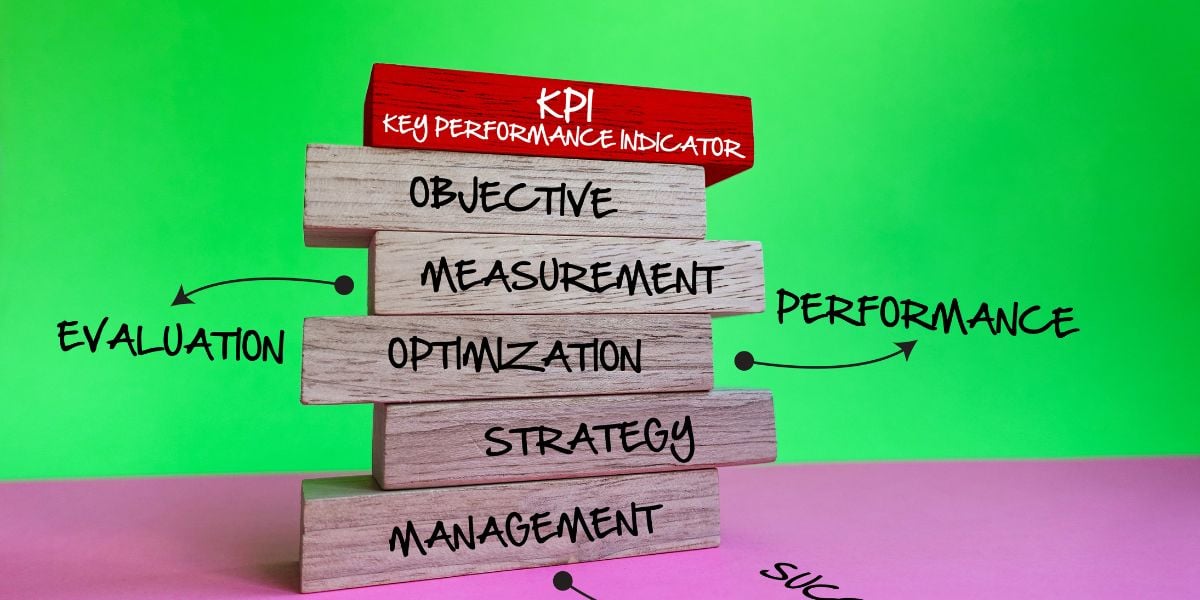
Overall, this section emphasizes the importance of using data-driven metrics to measure the success of your customer success strategy. By tracking these key indicators, you can identify areas for improvement and optimize your approach for maximum impact.
Remember, a successful customer success strategy is not a one-time effort; it's an ongoing journey of learning, adapting, and evolving.
Crafting a Tailored Customer Onboarding Experience
An often overlooked aspect of business growth lies in how well organizations onboard and support their customers. The customer onboarding process is a critical opportunity to set the stage for long-lasting success.
By designing an effective and personalized onboarding experience, businesses can ensure customer satisfaction, loyalty, and ultimately, sustainable growth. Let's dive into how to create an exceptional onboarding process that sets customers on the path to success.
Understanding Customer Needs:
The first step in designing an effective onboarding process is gaining a deep understanding of your customers' needs. Each customer is unique and has specific goals, pain points, and expectations. Conducting thorough research and analysis will help uncover critical insights that shape the onboarding journey. By segmenting customers based on their characteristics, you can tailor the onboarding experience to meet their specific requirements.
Creating a Step-by-Step Plan:
The onboarding process should be a well-defined and structured journey, guiding customers through each step seamlessly. Start by defining clear objectives for both the customer and your organization. Then break them down into smaller, achievable milestones. This approach allows customers to see their progress, boosts their confidence, and reinforces their commitment to using your product or service.
Personalization is the Key:
Personalization is the secret sauce that transforms a good onboarding experience into an exceptional one. Leverage the customer data you collected during the research phase to create personalized messages, tutorials, or resources. By addressing their pain points directly and demonstrating how your solution solves their challenges, you establish trust from the start. The more tailored and relevant the onboarding experience is, the more engaged and committed customers become.
Take a Proactive Approach:
Instead of leaving customers to figure everything out on their own, providing proactive support can significantly impact their success. Offer guidance, share best practices, and anticipate potential obstacles. Proactively engage with customers to address their queries and concerns promptly. This approach fosters a sense of partnership and enhances the overall onboarding experience.
Continuous Improvement:
An effective onboarding process is never static. Continuously seek feedback from customers to identify areas for improvement. Tracking metrics such as time-to-value, customer satisfaction scores, and product adoption rates can provide valuable insights into the effectiveness of your onboarding process. Use this data to refine and optimize the onboarding journey, ensuring it remains relevant, efficient, and aligned with customers' evolving needs.

A well-designed customer onboarding process is the foundation for establishing strong, lasting relationships with customers. By understanding their needs, creating personalized experiences, and taking a proactive approach, businesses can set their customers up for success.
Furthermore, continuous improvement and adaptability are necessary to sustain customer satisfaction and drive business growth. Investing time and resources into crafting an exceptional onboarding experience will undoubtedly pay off in the long run, nurturing loyal customers who advocate for your brand and drive future growth.
The Future of Customer Success: Leveraging AI and Automation for Enhanced Experience
In today's digital age, businesses need to rethink their customer success strategy. The technological landscape is changing rapidly, with Artificial Intelligence (AI) and automation leading the revolution. These technologies can bolster customer success efforts, paving the way for improved customer experiences and business growth.
Here's how.
Understanding the Power of AI and Automation
AI and automation are no longer just buzzwords—they're transforming how businesses operate and engage with customers. They allow companies to streamline processes, personalize experiences, and predict customer behavior— aspects critical for customer success. Here are some ways in which AI and automation are remolding customer success.
Customer Service Automation
Automated customer service tools like chatbots can handle routine inquiries, freeing up customer service reps to tackle more complex issues. This not only enhances efficiency but also improves customer satisfaction.
For instance, a customer who needs quick information about a product doesn't have to wait for a human agent. A chatbot can provide immediate assistance, leading to a better customer experience.
AI in Personalization
With AI's predictive analysis and machine learning capabilities, businesses can create highly personalized customer experiences. They can analyze a wealth of customer data—purchase history, online behavior, feedback—to deliver highly targeted communication and offerings.
Such a degree of personalization makes customers feel valued, improving their overall experience and increasing the likelihood of their success.
Proactive Outreach
AI's predictive analysis can recognize patterns that may signal potential issues, prompting businesses to take action before a problem arises. This proactive approach significantly improves the customer's experience and can preempt churn.
The Impact of AI and Automation on Business Growth
Enhanced customer experiences inevitably lead to improved customer success. Satisfied customers are loyal customers, and loyal customers are key drivers of business growth. They're more likely to refer new customers to your business and are less likely to churn.
Moreover, the efficiencies gained from AI and automation free up resources that can be reinvested into the business— for product development, marketing, or other growth-driving initiatives.
The role of AI and automation in enhancing customer experiences and business growth is only set to grow. Future directions for these technologies in customer success include:
✔ Chatbots with Increased Human-like Interactions: As the technology progresses, we can expect chatbots that can understand context better and offer even more human-like interaction.
✔ Increased Use of AI in Omnichannel Support: As businesses strive to offer seamless customer experiences across channels, AI can play a significant role in managing these numerous touchpoints.
✔ Predictive Personalization: By analyzing enormous data sets, AI will allow businesses to offer personalized experiences on an unprecedented scale, predicting what customers need or want before they even know it themselves.
By embracing AI and automation technologies, businesses can deliver seamless, personalized, and proactive experiences that significantly enhance customer success.
Technology isn't an alternative to the human touch in customer success—it's a tool that enhances it. Businesses that recognize this, and implement judiciously, stand to gain improved customer experiences, increased customer success, and consequent business growth.
Invest in Your Customers, Invest in Your Growth
Embrace the power of customer-centricity as it is more than just a strategy; it's a life-blood of a thriving business, and it's your passport to continuous growth.
Building a customer-centric culture and prioritizing customer success isn't a mere peripheral consideration; it's a fundamental mindset. By positioning your customers at the heart of everything you do, you're not just fulfilling an obligation but creating a connection. You're constructing meaningful relationships that add value to your customers' lives, and thus, propelling your business forward.
Investing in your customers' success is like planting a seed – as they flourish, so does your business. You're not just nurturing growth for your customers; you're paving a growth pathway for yourself, transforming your business into a sustainable, thriving entity.
So, make the investment today, tap into unexplored territories of opportunities, and be the change catalyst. Take action to implement these insights, tailor them to your industry, and adapt them to your specific target audience. Experience the transformative power of a customer-centric approach.
Unleash the potential that lies in every interaction, every relationship, and every satisfied customer. Gear up, take the plunge, and watch as your business blossoms through the empowerment of its customers. After all, there's no better growth strategy than a happy customer.
Discover the Right Tools for Your Startup
Take our 2-minute quiz to find tools tailored to your specific needs and goals.
Take the QuizTakes only 2 minutes


