
Mastering International Marketing as a Startup
Unlock explosive growth with international marketing. This guide helps startups master global markets. Get ready for success!

International marketing takes your passion project and slingshots across borders, unlocking a universe of new customers and explosive growth. But navigating this exciting landscape needs more than just wanderlust. This guide is your compass, packed with insights and strategies to help you master international marketing like a seasoned pro. So buckle up, and get ready to turn your startup into a global phenomenon!
Benefits of International Marketing for Startups and New Businesses
Expanding into international markets offers numerous benefits for startups and new businesses.
✔First. it allows access to a larger customer base, thereby increasing revenue potential.
✔Second thing: it enables businesses to diversify their revenue streams, reducing dependence on a single market.
✔One more thing is to international marketing can lead to increased brand recognition and credibility on a global scale.
When writing a business plan for international expansion, it's crucial to establish a mission statement that captures the company's global aspirations. International marketing opens up numerous benefits for startups and young businesses as it allows for broader customer reach. Where domestic markets may have limitations, going global dramatically increases potential customer base.
An engaging mission statement can prove invaluable at this stage, helping to define the entire scope and direction of your business' global aspirations to potential investors. A strong mission statement can effectively communicate your committed vision to tap into larger and diverse markets, making potential investors believe in your business strategies.

Moreover, international marketing allows businesses to diversify their revenue streams. This risk mitigation strategy is an essential point to emphasize in your business plan. By not solely depending on a single market, businesses can shield themselves from dramatic financial fluctuations attributable to market-specific dynamics. This diversification reduces risks and provides a certain level of financial stability, emphasizing the company's strategic foresight to potential investors.
Finally, dipping into international waters can significantly elevate the brand awareness. The key to instant recognition is often a wider audience, something global expansion can offer in spades. This level of brand recognition and credibility on a global scale creates a strong impression, particularly in front of investors looking for companies with the potential for high returns. It's essential to ensure your business plan reflects these diverse benefits of venturing into international marketing for your startup or new business.
In conclusion, the benefits of international marketing are substantial and can foster growth, diversification, and high-level global brand recognition. Formulating a business plan — with a clearly defined mission statement, smart strategies, and insightful financial projections — which communicates these advantages, can significantly enhance your appeal to potential investors and customers alike.
International Marketing Strategies and Best Practices:
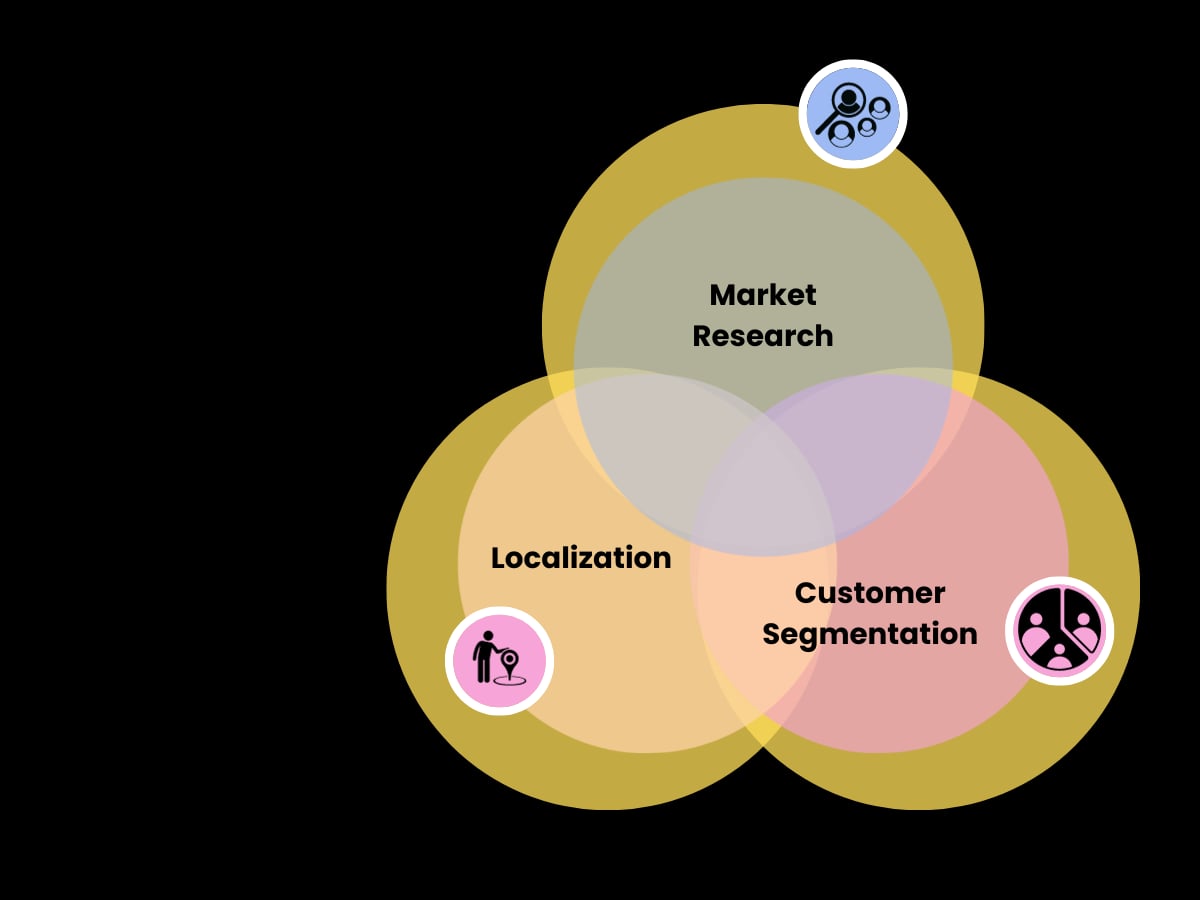
⏹️ Market Research - Unlocking Consumer Secrets:
Before embarking on your global adventure, immerse yourself in the local landscape. Imagine you're launching an eco-friendly water bottle company in Brazil. Thorough market research will tell you that Brazilians are increasingly eco-conscious and value active lifestyles.
You'll discover popular outdoor activities and preferred bottle features, like leakproof lids and vibrant colors. This knowledge becomes your treasure map, guiding you towards products and marketing campaigns that resonate with Brazilian consumers.
⏹️ Customer Segmentation - Targeting the Right Tribe:
Don't cast a wide net; identify distinct customer groups within your target market. Are you targeting young professionals in Tokyo's bustling business district, or budget-conscious families in rural India? Segmenting by age, income, and lifestyle helps you craft targeted messages and strategies.
Imagine creating sleek, minimalist ads for the Tokyo professionals and offering family-friendly discounts and vibrant designs in India. By speaking directly to each segment, you build deeper connections and boost engagement.
⏹️ Localization - Speaking the Local Lingo:
Think of crossing borders as learning a new language. Adapt your marketing voice and brand identity to resonate with local audiences. Ditch generic slogans and embrace cultural nuances. Instead of a one-size-fits-all campaign, imagine showcasing your eco-friendly water bottle alongside Brazilian capoeira dancers or Indian yoga practitioners.
This authenticity builds trust and makes your brand part of the local story.
💡 Bonus Tip:
Embrace storytelling! Craft narratives that connect with local aspirations and values. For your Brazilian launch, highlight the bottle's contribution to reducing plastic waste in the Amazon rainforest. In India, emphasize its affordability and support for local water conservation initiatives. These stories tap into deeper emotions and build a powerful brand connection.
Incorporating these strategies and tailoring them to your specific industry and target market, you'll can unlock the secrets to successful international marketing. It's about understanding, adapting, and telling your story in a way that resonates with hearts and minds across borders. Now, go forth and conquer the global marketplace!
Real-life Examples of Successful International Marketing Campaigns
To inspire startups and new businesses, it's essential to examine successful international marketing campaigns from global companies. These examples highlight the importance of a well-crafted business plan, thorough market analysis, and understanding target customers.
Airbnb's "Live There" campaign serves as a prime example of stellar international marketing. This campaign focused on promoting unique experiences in cities worldwide, effectively showcasing the brand's commitment to delivering local and authentic travel encounters. By resonating with target customers and their desires for personalized adventures, Airbnb created a roadmap to entrepreneurial success.
Another remarkable example is Xiaomi, a Chinese smartphone manufacturer that astutely expanded its presence in India by launching affordable smartphones tailored to the Indian market's specific needs and preferences. By conducting a comprehensive market analysis, Xiaomi identified consumer demands and designed products that cater to their target customers accordingly.
By learning from these successful campaigns, entrepreneurs can understand the significance of making a solid business plan alongside extensive market analysis—thus creating a roadmap to achieve incredible results in the realm of international marketing and reaching target customers.
Strategies for Market Entry and Beyond: How to Write a Business Plan for International Growth
When venturing into international markets, one must effectively write a business plan that considers diverse market entry strategies. Exporting, franchising, licensing, or establishing subsidiaries are common routes - each presenting unique pros and cons depending on factors such as cost, control, and risk. Regardless of the type of business, startup companies must carefully evaluate these options to make an informed decision.
Challenges and Risks: Leveraging Financial Projections and Competitive Analysis
When entering international markets, businesses often encounter numerous challenges and risks, including cultural differences, regulatory barriers, and stiff competition. Writing a comprehensive and strategic business plan with robust financial projections and competitive analysis will help address these hurdles. Here, we present examples and tips on how to make a business plan that effectively navigates any potential challenges.
Example 1: Uber's Entry into International Markets
Uber has successfully expanded its ride-hailing services into various international markets; however, the company has also faced several challenges. For instance, Uber encountered regulatory constraints and intense competition when trying to penetrate the European market. To overcome these obstacles, Uber adapted its business plans and focused on localized strategies, including partnering with local taxi companies and launching UberPool (their carpooling service) to outperform competitors.
💡 Tip 1: Comprehensive Risk Assessments
When creating a business plan, be sure to include a section outlining any potential risks of expanding into a foreign market. Conducting comprehensive risk assessments will assist you in identifying and addressing these risks effectively.
💡 Tip 2: Engaging Local Experts
To successfully navigate the complexities of international markets, seek the expertise of local professionals. Engaging local experts in your target market will help you better understand cultural norms, business practices, and regulatory requirements, giving you an edge in adapting your offerings accordingly.
Example 2: IKEA's Global Expansion Strategy
IKEA is an excellent example of a company that has successfully established itself in numerous international markets. One of the critical factors in IKEA's success is its ability to adapt its business strategies based on local consumer preferences. For instance, while Scandinavian-style minimalist furniture is popular in Western markets, IKEA had to modify its product offerings when entering the Asian market, where consumers preferred more functional and compact designs.
💡 Tip 3: Establishing Strong Partnerships
Forming strong partnerships can help businesses overcome many challenges inherent in international expansion. In the section of your business plan that outlines potential collaborations, consider including local manufacturers, distributors, or even competitors. Establishing these relationships can provide valuable support and help you recognize and resolve any difficulties swiftly.
By following these examples and tips, you can create a business plan that effectively prepares your company for potential challenges when expanding into international markets. Crafting a strategic business plan with detailed financial projections, competitive analysis, and attention to local nuances will set your company on the path to success in the global business arena.
Long-term Online Presence for Competitive Advantage
Establishing a compelling global brand fortified by a robust online presence is critical to the long-term success of any international marketing strategy. The power of tools such as Search Engine Optimization (SEO), social media marketing, and digital advertising cannot be underestimated for their potential to reach vast international audiences.

For instance, let's take the example of Airbnb, the leading global platform for booking unique homes and experiences worldwide. When the company initially crossed into international territories, it faced formidable competition from well-established local rivals and resistance from various regulatory bodies. Nonetheless, Airbnb invested significantly in their online presence and adopted an effective SEO strategy in various languages to attain ranking in global search engines. Their success lies in creating engaging content tailored to each local market while optimizing their website for global search engines.
Also, Airbnb has taken full advantage of social media marketing through various platforms to create unique brand stories and establish deeper connections with their users. They extensively employed localized digital advertising to promote their brand and attract potential customers. As a result, Airbnb saw a rapid increase in visibility across different regions and managed to attract a broad range of customers around the globe. Over time, this expansive online presence offered Airbnb the competitive advantage it needed to thrive in various international markets.
Similarly, new businesses should invest substantially in enhancing their global digital footprint. By strategically creating relevant and engaging content, optimizing their websites for different international search engines, and leveraging the power of social media platforms, they can enhance their visibility and resonate with their prospective markets.
Maintaining a potent online presence is more than a short-term marketing tactic—it’s about sustaining long-term competitive advantage in the increasingly interconnected global market we operate in today.
Cultural Adaptation: Making the Most of Marketing Strategies
Understanding and respecting cultural nuances can go a long way in international marketing. Businesses should adapt their marketing messages and strategies to align with local customs, traditions, and values. When businesses respect cultural differences and reflect this understanding in their approach, they build trust and create stronger connections with their target customers.
Finally, attracting potential investors requires a business plan format that clearly communicates strategy and insight, reflecting clear market understanding and solid financial projections. International marketing offers immense potential for startups and new businesses looking to unlock growth opportunities beyond their domestic markets. By implementing effective strategies, conducting thorough market research, and understanding cultural nuances, entrepreneurs can tap into international markets and exponentially expand their brand.
Embracing international marketing is more than an opportunity—it’s a necessity for staying competitive in today's increasingly interconnected global business landscape.
Discover the Right Tools for Your Startup
Take our 2-minute quiz to find tools tailored to your specific needs and goals.
Take the QuizTakes only 2 minutes


