
Unlocking the Power of Customer Loyalty Programs
Learn how to create and implement a customer loyalty program that will help you boost sales, increase customer retention, and build a strong brand.

Launching a successful business isn't just about acquiring customers; it's about keeping them coming back. In this comprehensive guide, we'll explore the world of "customer loyalty programs." This article is aimed at entrepreneurs and individuals venturing into new business endeavors.
Customer loyalty programs are ways for businesses to reward their customers for shopping with them. Businesses give their customers points or rewards for every dollar they spend. Customers can then redeem these points or rewards for discounts, free stuff, or other benefits.
By giving customers rewards for shopping with them, businesses can encourage customers to come back again and again.
Understanding Customer Loyalty Programs
Customer loyalty programs are ways that stores and businesses reward their customers for coming back and shopping with them. There are many different types of loyalty programs, but some of the most common are:
🏷️ Points-based programs: You earn points for every dollar you spend, and you can redeem those points for discounts or free stuff.
Points-based customer loyalty programs are one of the most popular types of loyalty programs. Customers earn points for every dollar they spend, and they can redeem those points for discounts or free stuff. These programs are easy to understand and participate in, which makes them popular with customers.
✨Here are some of the benefits of points-based customer loyalty programs for businesses:
• Increased customer engagement: Points-based loyalty programs can help businesses increase customer engagement by giving customers a reason to keep coming back. Customers are more likely to shop at businesses where they can earn rewards.
• Increased customer spending: Points-based loyalty programs can also help businesses increase customer spending. Customers are often motivated to spend more money in order to earn more rewards.
• Valuable customer data: Points-based loyalty programs can help businesses collect valuable customer data. Businesses can track which customers are participating in the program, how many points they are earning, and what rewards they are redeeming. This data can be used to improve marketing campaigns and product offerings.
🏷️ Tiered loyalty programs: You move up to higher tiers the more you shop, and each tier offers more benefits.
Tiered customer loyalty programs are a great way to reward your most loyal customers and encourage them to spend more money with your business. By offering different tiers of benefits based on how much customers spend, you can create a program that is both rewarding and aspirational.
✨Here are some ways that tiered loyalty programs can help businesses build customer loyalty:
They provide customers with a sense of accomplishment. When customers move up to higher tiers, they feel rewarded for their loyalty. This can lead to increased satisfaction and brand advocacy.
They offer customers exclusive benefits. By offering benefits that are only available to higher-level members, you can create a sense of exclusivity that makes customers feel valued. This can help to strengthen the relationship between your business and your customers.
They motivate customers to spend more money. In order to move up to higher tiers, customers typically need to spend a certain amount of money. This can motivate customers to spend more money with your business in order to earn more rewards.
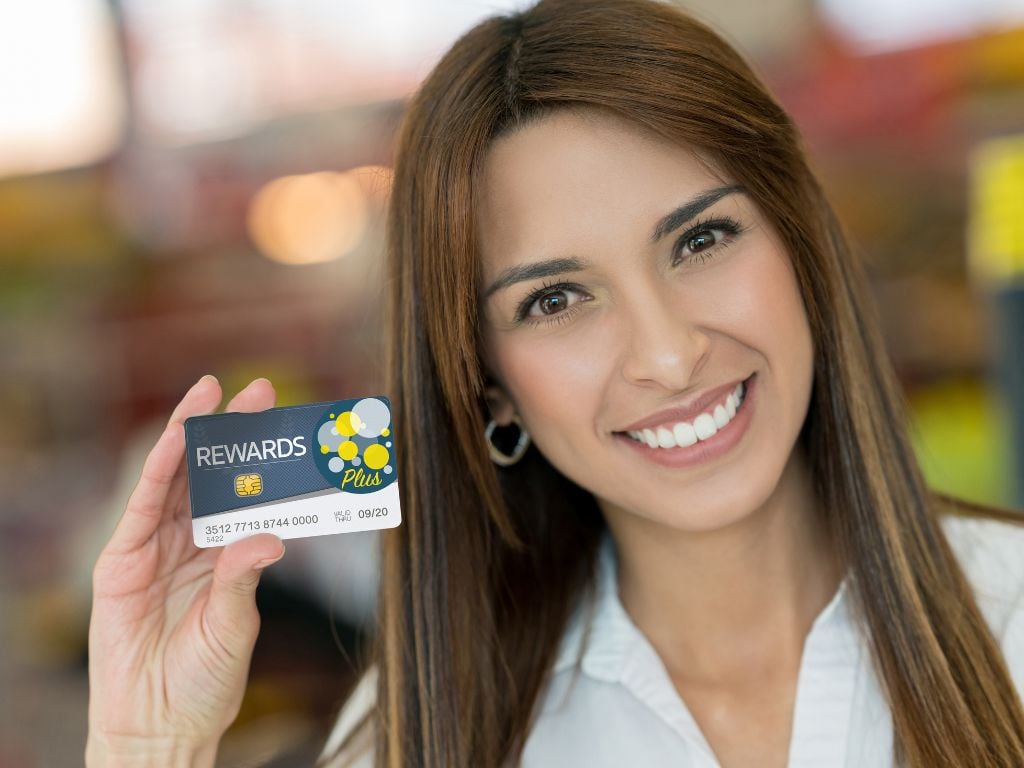
🏷️ Cashback and rebate programs: You get a percentage of your purchase back in cash or as a rebate.
Cashback and rebate programs are a great way to reward customers for their loyalty and encourage repeat business. By offering customers a percentage of their purchase back in cash or as a rebate, businesses can show their appreciation for their support and make it more attractive for them to keep coming back.
✨Here are some ways that cashback and rebate programs can help businesses build customer loyalty:
They provide a tangible reward for customers. When customers know that they can earn money back on their purchases, they are more likely to choose to shop at that business over a competitor.
They encourage customers to spend more money. Cashback and rebate programs can incentivize customers to spend more money at a business in order to earn more rewards.
They help businesses track customer spending habits. By tracking which customers participate in their cashback and rebate programs and how much they spend, businesses can gain valuable insights into their customer base. This information can be used to improve marketing campaigns and product offerings.
🏷️ Frequency programs: You get a reward after you buy a certain number of items.
Loyalty programs can be a great way to save money and get rewarded for shopping at your favorite stores. So next time you're at the checkout counter, be sure to ask about their loyalty program!
✨Here is an example of how a customer loyalty program might work:
You sign up for a loyalty program at your favorite coffee shop. Every time you buy a coffee, you earn 10 points. Once you have 100 points, you can redeem them for a free coffee.
You can also move up to higher tiers in the loyalty program by buying more coffee.
For example, if you buy 50 coffees in a year, you move up to the silver tier. The silver tier offers more benefits, such as a free coffee on your birthday and a 10% discount on all coffee purchases.
The Importance of Customer Loyalty Programs
Customer loyalty programs are important to businesses because they can help to:
Increase repeat business: Customer loyalty programs incentivize customers to return to your business by rewarding them for their purchases. This can help to increase their lifetime value, which is the total amount of money that a customer is expected to spend with your business over their lifetime.
Improve customer retention: Retaining existing customers is often more cost-effective than acquiring new ones. Customer loyalty programs can help to improve customer retention by making customers feel valued and appreciated.
Boost brand advocacy: Loyal customers are more likely to recommend your business to others, becoming brand advocates. This can help to attract new customers and increase brand awareness.
Collect valuable data: Customer loyalty programs can provide businesses with valuable data about customer preferences and behaviors. This data can be used to better target marketing efforts and improve the customer experience.
Components of Effective Customer Loyalty Programs
A successful customer loyalty program comprises several key components:
◾ Clear objectives: The first step is to define your program's objectives. What do you want to achieve with your customer loyalty program? Do you want to increase sales, reward loyal customers, or gather customer data? Having clear objectives will help you to design a program that is effective and aligned with your overall business goals.
When setting goals and objectives for your customer loyalty program, it's important to consider your overall business goals. For example, if you're trying to increase customer retention, you may want to focus on rewarding customers for repeat business. If you're trying to drive new sales, you may want to focus on rewarding customers for referring their friends or trying new products.
◾ Relevant rewards and incentives: Choose rewards that are attractive and relevant to your target audience. Consider what your customers value and what would motivate them to participate in your program. For example, you could offer discounts, free products or services, or exclusive experiences.
The rewards you offer in your customer loyalty program should be valuable to your customers. This means offering rewards that are relevant to their interests and needs. For example, if you're a coffee shop, you could offer customers a free coffee after they purchase a certain number of drinks. If you're a clothing store, you could offer customers discounts on future purchases or early access to new sales.
◾ User-friendly technology: Make it easy for customers to participate in your program and track their progress. Implement user-friendly technology, such as a mobile app or online platform, that allows customers to easily sign up for the program, redeem rewards, and view their account status.
Your customer loyalty program should be easy for customers to understand and participate in. The rules should be clear and concise, and the rewards should be easy to redeem.
You can make your program easier to understand by creating a FAQ page or posting the rules of the program on your website. You can make it easier for customers to redeem their rewards by offering multiple redemption options, such as online, in-store, or over the phone.
◾ Personalization: Tailor rewards and communications to individual customer preferences. This will help to create a more engaging and rewarding customer experience. For example, you could offer different types of rewards based on a customer's purchase history or interests.
You can personalize your customer loyalty program by collecting data about your customers' purchase habits and preferences.
For example, you could track the types of products they buy, the brands they prefer, and the frequency with which they shop. You can then use this data to offer customers personalized rewards and recommendations.
Examples of Effective Customer Loyalty Programs
Some examples of effective customer loyalty programs include:
🗽 Starbucks Rewards: Starbucks Rewards is a tiered loyalty program that offers customers points for every purchase they make. Customers can redeem their points for free drinks, food, and merchandise. The program also offers exclusive benefits to members, such as early access to new products and promotions.
🛒 Amazon Prime: Amazon Prime is a paid membership program that offers customers a variety of benefits, including free two-day shipping on eligible items, exclusive deals and discounts, and access to streaming services such as Prime Video and Prime Music.
Amazon Prime is a highly successful customer loyalty program because it offers customers valuable benefits that they are willing to pay for.
🛒 Sephora Beauty Insider: Sephora Beauty Insider is a free loyalty program that offers customers points for every purchase they make. Customers can redeem their points for beauty products, discounts, and other benefits. The program also offers exclusive benefits to members, such as early access to new products and invitations to special events.
Implementing Effective Customer Loyalty Programs
Customer loyalty programs are a powerful tool for driving repeat business, enhancing customer retention, and fostering brand advocacy. But how do you implement a customer loyalty program that is truly effective?
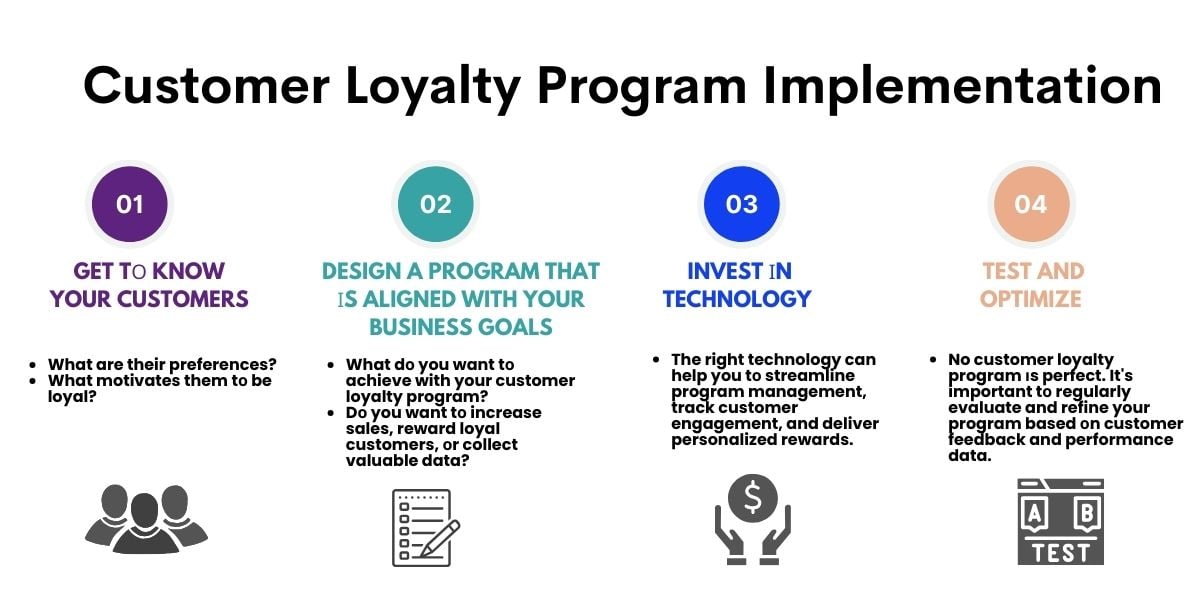
Step 1: Get to know your customers.
What are their preferences? What motivates them to be loyal? Once you understand yourtarget audience, you can design a program that appeals to their needs and values.
Step 2: Design a program that is aligned with your business goals.
What do you want to achieve with your customer loyalty program? Do you want to increase sales, reward loyal customers, or collect valuable data? Once you have clear objectives, you can tailor your program to achieve them.
Step 3: Invest in technology.
The right technology can help you to streamline program management, track customer engagement, and deliver personalized rewards. This can free up your team to focus on building relationships with customers and providing them with an exceptional experience.
Step 4: Test and optimize.
No customer loyalty program is perfect. It's important to regularly evaluate and refine your program based on customer feedback and performance data. This will help you to ensure that your program is meeting the needs of your customers and delivering on your business goals.
Here are some additional tips for implementing an effective customer loyalty program:
✔️ Make it easy to join and participate. The less friction there is, the more likely customers are to sign up for your program and engage with it.
✔️ Offer rewards that are relevant and valuable to your customers. Think about what would motivate them to keep coming back to your business.
✔️ Personalize the customer experience. Use data to understand your customers' individual needs and preferences. Then, tailor your rewards and communications accordingly.
✔️ Make it easy for customers to redeem their rewards. The last thing you want is for customers to feel like they're jumping through hoops to get the rewards they've earned.
Customer loyalty programs are powerful tools that can help you drive repeat business, enhance customer retention, and foster brand advocacy.
By studying real-world examples and following the steps outlined in this guide, you can unlock the potential of customer loyalty programs for your business and build lasting connections with your customers.
Customer loyalty programs can also help you collect valuable data about your customers and create more targeted marketing campaigns. Additionally, customer loyalty programs can help you attract new customers through word-of-mouth marketing. If you're not sure where to start, there are many resources available to help you create and implement a customer loyalty program. You can also find many successful customer loyalty programs that you can model yours after.
Discover the Right Tools for Your Startup
Take our 2-minute quiz to find tools tailored to your specific needs and goals.
Take the QuizTakes only 2 minutes


